

By Mason Clark
The Sunshine, the Sand, and the Split Views
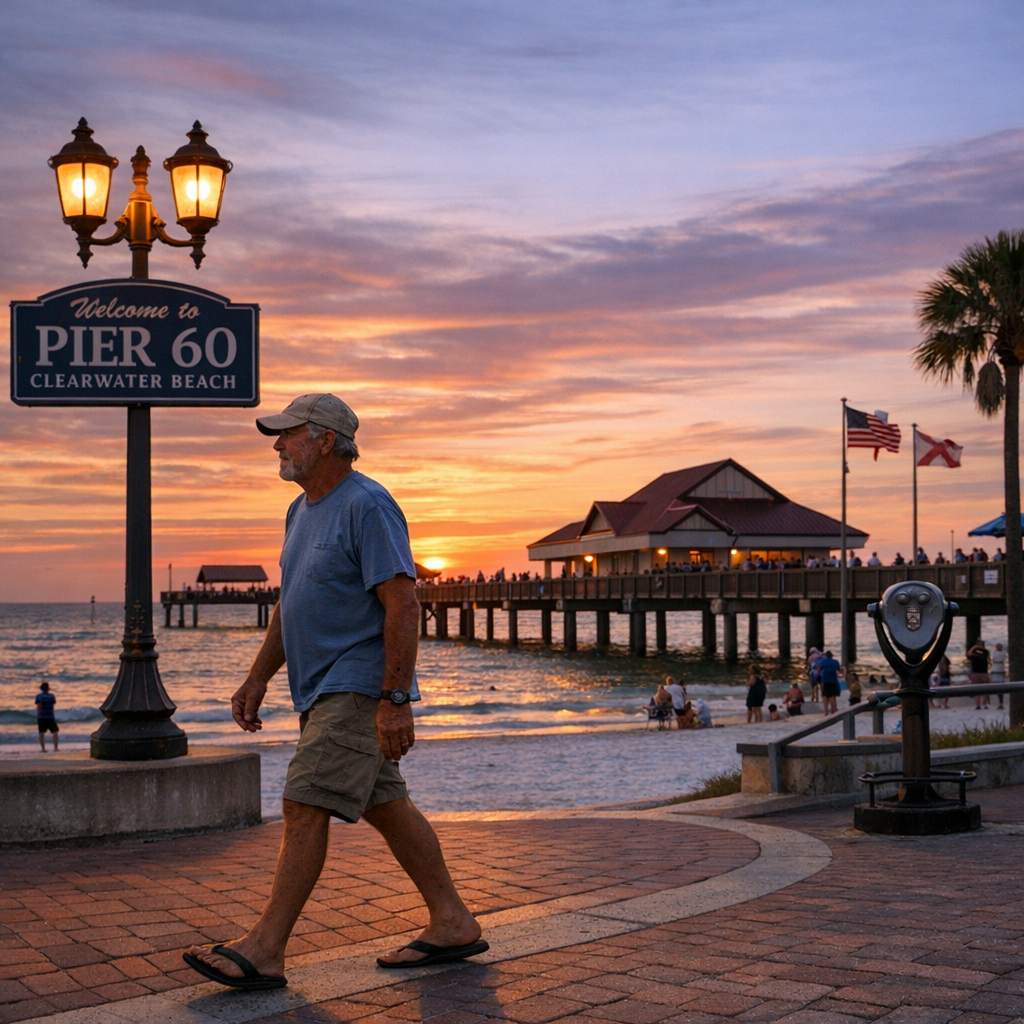
Clearwater often shines brightest in reflections—on the water, on our white sands, in the glow of sunset over the Gulf. Many who live here say the draw is obvious: the beach lifestyle, a slower pace compared to Tampa, chances to kayak or bike nearly every weekend. These aren’t just perks for visitors—they matter to locals. They are what makes Clearwater feel like home. But as residents write, the glow isn’t even. The beauty comes with trade-offs.
Traffic, Crowds, and What It Costs to Live Here
One frequent complaint among long-time locals is about congestion, especially around Clearwater Beach in high season. Parking gets harder, drive times swell, and what used to be a smooth trip suddenly becomes stressful. Beyond that, cost of living raises alarm: flood risk, insurance rates, housing prices, and HOAs all factor into decisions about where to settle—or whether to stay.
Downtown Pulse: Vibrant Promise, Growing Tension
There’s talk of revival downtown—new development, entertainment complexes, public-private partnerships that hope to draw foot traffic every night, not just on weekends. Yet there’s also frustration that parts of the downtown core feel like a ghost town, as if the space between potential and reality is too wide. Residents want clarity: Who owns what? Who benefits? How will change affect affordability, walkability, and community access?
On Power, Influence, and Who Gets to Speak
Lots of local discussions—and disagreement—circle around who holds influence here. Public meetings have become stages for clashes over land deals, street access, and corporate or institutional power in the city’s growth story. Some neighbors feel sidelined, unheard. Others believe progress demands tough conversations—on transparency, impact, and fairness. What’s clear is that many want not just to be consulted, but empowered to shape Clearwater’s future.
Neighborhoods: Hidden Gems and Invisible Barriers
Beyond the beach and downtown, neighborhoods like Countryside, North Greenwood, Feather Sound, and Safety Harbor are often praised for their community feel: quieter streets, trees, family-friendly schools, parks. But not all feel equal. Some areas experience aging infrastructure, fewer services, or feel disconnected from city centers. Local stories show that basic needs—good sidewalks, reliable transit, resilient infrastructure—are everywhere needed.
What It Takes to Move Forward Together
There is shared hope here—yes, for maintaining Clearwater’s special character, but also for making it more inclusive and livable. Suggestions from residents often come back to community engagement: real, two-way communication. Not just town halls where decisions are already made, but collaborative spaces where neighbors, business owners, and city leaders strategize together.
If Clearwater can lean into this kind of participation, the city stands a chance not just of growing—but growing well. Nazarene preservation of nature, thoughtful redevelopment, and compassionate inclusion of all neighbors can keep us proud to say we live here. Together. Because, in the end, a city is its people.